

A Positive Economic Shift
When I saw the latest sales data, it became clear that the GST cuts boost tractor sales in a way that has exceeded everyone’s expectations. The recent tax reforms didn’t just make headlines—they’ve reshaped the entire automotive landscape. Tractor sales surged by an incredible 50% year-on-year, while two-wheelers and cars also witnessed remarkable gains. As someone who closely tracks industry trends, I can confidently say that this policy shift has set the stage for a new wave of growth across India’s rural and urban mobility sectors.
How GST Cuts Boost Tractor Sales
From my perspective, the biggest winners of this policy are rural consumers. The GST cuts boost tractor sales by making agricultural machinery more affordable for farmers. Lower taxes directly reduce on-road prices, enabling more buyers to invest in high-performance models without overextending budgets. The move has also encouraged fleet owners and cooperatives to upgrade to modern, fuel-efficient tractors—enhancing productivity while supporting rural mechanization.
It’s not just about affordability. The GST cuts boost tractor sales by improving sentiment across dealerships. Many dealers I spoke with reported a sharp rise in footfall and inquiries within days of the reform announcement. Farmers, who were previously waiting for festive discounts, are now taking advantage of reduced prices to make quicker purchase decisions.
Broader Impact on the Auto Industry
While tractors lead the surge, the benefits extend across the automotive spectrum. Two-wheeler sales have picked up strongly as rural incomes rise, and passenger cars are witnessing renewed interest from first-time buyers. It’s fascinating to observe how GST cuts boost tractor sales and indirectly push up demand for other vehicle categories as well.
The policy has acted as an economic catalyst. By lowering the overall cost of ownership, it has revived consumer confidence that had weakened over the past quarters. Automakers, too, are responding by increasing production, offering more financing options, and launching promotional campaigns to capitalize on the positive momentum.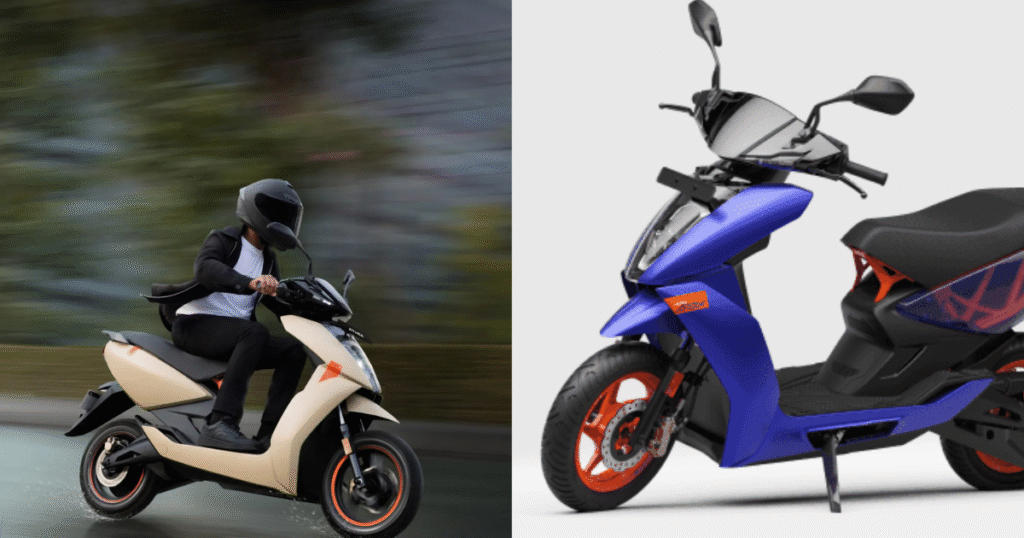
The Financial Chain Reaction
As I analyzed market reactions, one thing stood out clearly: the GST cuts boost tractor sales while creating a ripple effect across finance, logistics, and manufacturing. Tractor manufacturers are now operating at near full capacity, while auto component suppliers have seen higher order volumes. Financial institutions, sensing this growth, are offering attractive loan schemes with low-interest rates for agricultural vehicles and two-wheelers.

This entire ecosystem synergy is vital because it keeps the economic wheel turning. When the GST cuts boost tractor sales, they also uplift rural credit demand, employment, and local infrastructure investments—showing how one fiscal reform can benefit multiple sectors simultaneously.
Government’s Strategic Vision
The decision to revise GST rates wasn’t arbitrary—it was a calculated move to stimulate demand during a period of slow rural recovery. In my view, the GST cuts boost tractor sales because they directly address affordability and liquidity issues faced by the farming community. With reduced tax burdens, the government has effectively balanced economic recovery with fiscal prudence, ensuring benefits reach both consumers and industries.
Moreover, the increased tractor demand supports India’s long-term goals of agricultural modernization and sustainability. The shift toward cleaner, efficient engines and advanced farming equipment now seems more achievable than ever.
Automakers’ Response and Market Outlook
Major tractor makers like Mahindra, Sonalika, and Escorts Kubota have all reported record orders following the reforms. I personally visited a few rural dealerships and witnessed first-hand how the GST cuts boost tractor sales enthusiasm among buyers. Many farmers spoke about replacing old, high-maintenance tractors with newer, more powerful variants—something they couldn’t afford before the tax change.
Similarly, car manufacturers such as Maruti Suzuki and Hyundai have benefited from improved buyer sentiment. Two-wheeler companies like Hero MotoCorp and TVS Motor are witnessing strong rural bookings, a clear sign that demand recovery is now spreading across segments.
If this trend continues, I believe the GST cuts boost tractor sales will remain a key driver of India’s automotive resurgence for the rest of 2025.

My Takeaway
As someone who has been writing about the automobile industry for years, this development feels like a turning point. The GST cuts boost tractor sales not only demonstrate the power of policy-driven demand but also highlight how deeply interconnected India’s auto ecosystem is. From farmers to city commuters, everyone stands to gain from this positive reform.
Looking ahead, the focus will shift toward maintaining supply chains, managing inventory efficiently, and ensuring stable prices even as demand climbs. But one thing is certain—the Indian automotive sector has found fresh fuel for growth, and the roads ahead look more promising than ever.
Powerful Comeback: Skoda Octavia RS Returns with Limited 100 Units, Bookings Open October 6