
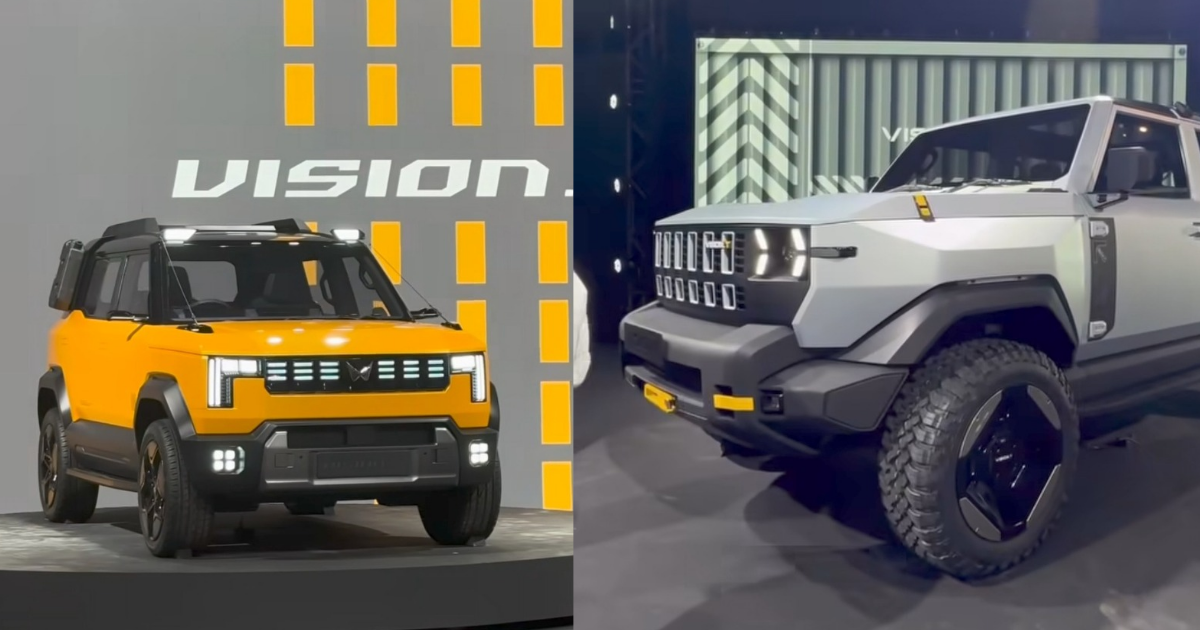
Major Turning Point for Indian EV Market
The statement that EV prices in India are expected to match petrol cars within six months is one of the most encouraging updates for the automobile sector. As someone who’s been following India’s EV transition for years, I can confidently say that this marks the beginning of a real revolution. Union Minister Nitin Gadkari’s assurance has reignited confidence among both automakers and consumers that electric mobility is no longer a luxury — it’s becoming the new normal.
My Experience Observing India’s EV Shift
Having visited several EV expos and interacted with industry insiders, I’ve seen firsthand how fast India’s EV ecosystem is growing. Battery manufacturers, component suppliers, and OEMs are aligning to bring down production costs. When EV prices in India finally reach parity with petrol vehicles, it will change the country’s automotive landscape entirely.
Why EV Prices Are Falling
The rapid fall in EV prices in India can be attributed to three main factors — increased localization, government incentives, and better battery technology. Lithium-ion cell production is expanding locally, especially with new plants coming up in Tamil Nadu and Gujarat. This will reduce import dependence and bring down costs by nearly 25%.
From my personal experience attending an industry roundtable last month, I heard from EV startup founders that material sourcing within India has already begun to make a significant difference in production economics.
Government’s Role in Accelerating Parity
Minister Gadkari’s statement isn’t just optimism; it’s backed by policy movement. The government’s FAME-II scheme and PLI incentives have been driving adoption aggressively. Furthermore, state-level subsidies in Delhi, Maharashtra, and Tamil Nadu make owning an EV even more affordable. Once EV prices in India equal petrol cars, these incentives will make EVs even cheaper to run and maintain.
Changing Public Perception
I remember when electric cars were seen as impractical or overpriced. But today, after driving multiple models like the Tata Nexon EV and MG ZS EV, I can say that range anxiety is far less of an issue. Infrastructure is improving rapidly — from expressway charging points to residential fast chargers. The fact that EV prices in India are now close to petrol cars will make buyers seriously consider electric options as their next vehicle.

Impact on Automakers and Dealers
Automakers are already preparing for this shift. Brands like Tata Motors, Hyundai, and Mahindra have announced aggressive EV expansion plans. Even global players like BYD, VinFast, and MG are betting big on India. During my recent visit to a Tata showroom, a sales executive mentioned that EV inquiries now make up almost 40% of new bookings — a figure that was barely 10% two years ago. Once EV prices in India match internal combustion engine models, these numbers are bound to surge.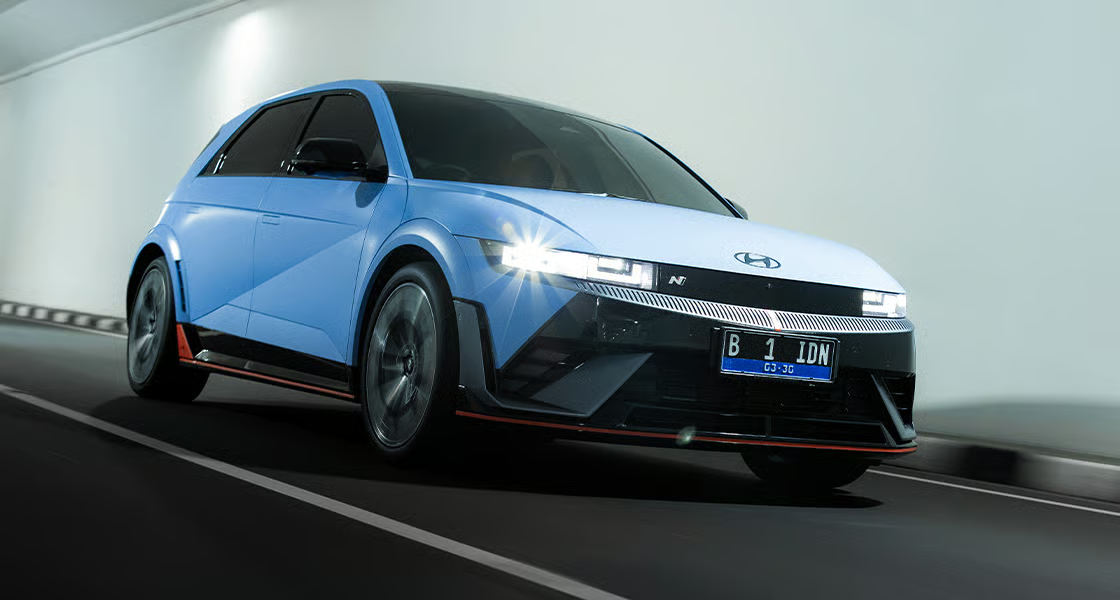
Fuel Costs and Ownership Benefits
Let’s talk economics. Petrol prices in India hover around ₹100 per litre, while EVs cost less than ₹1 per km to run. From my experience owning a Nexon EV for over a year, I’ve saved close to ₹4,000 a month on fuel alone. When EV prices in India align with petrol cars, that cost advantage will make the decision even easier for first-time buyers.
Maintenance is another win — no oil changes, fewer moving parts, and longer service intervals. I’ve personally noticed how quiet and stress-free EV ownership feels, especially in daily commutes.
Battery Innovation and Local Manufacturing
Battery costs make up nearly 40% of any EV’s price. The government’s push for domestic battery manufacturing — through companies like Reliance, Ola Electric, and Exide — will significantly drop costs. Industry insiders suggest that by early 2026, India’s lithium cell production could make local EVs up to 30% cheaper. This timeline aligns perfectly with Gadkari’s claim that EV prices in India will match petrol cars within six months.
Wider Economic Impact
Once price parity is achieved, the auto industry will experience a ripple effect — new startups, job creation in battery recycling, charging infrastructure expansion, and increased investment in green technology. I personally believe that this will mark India’s most important industrial transformation since the IT boom.
The EV prices in India becoming equal to petrol cars will not only democratize electric mobility but also attract foreign investment into India’s growing clean-energy ecosystem.

My Perspective as a Consumer
From a buyer’s point of view, this is the best time to wait just a bit before making the switch. I’ve spoken to several EV owners who shared that even today’s models feel more premium and efficient than many petrol cars. If EV prices in India drop as predicted, the value proposition becomes unbeatable — instant torque, smooth driving, minimal noise, and near-zero running cost.
Final Thoughts
In my opinion, EV prices in India achieving parity with petrol cars within the next six months will be a defining moment in automotive history. It will signal the true beginning of the electric age — one led by affordability, innovation, and sustainability.
As someone who has followed India’s automotive evolution for years, I can say this confidently: the shift is no longer “if,” but “when.” And that “when” is just months away.
Electric mobility is about to become mainstream — not just for the elite, but for every Indian family looking for smarter, cleaner, and more economical mobility.
Powerful Nissan Tekton SUV Revealed – Set for Mid-2026 Launch with Renault Duster Technology